
Earn 3X Points with Best General Travel Card
— 6 min read
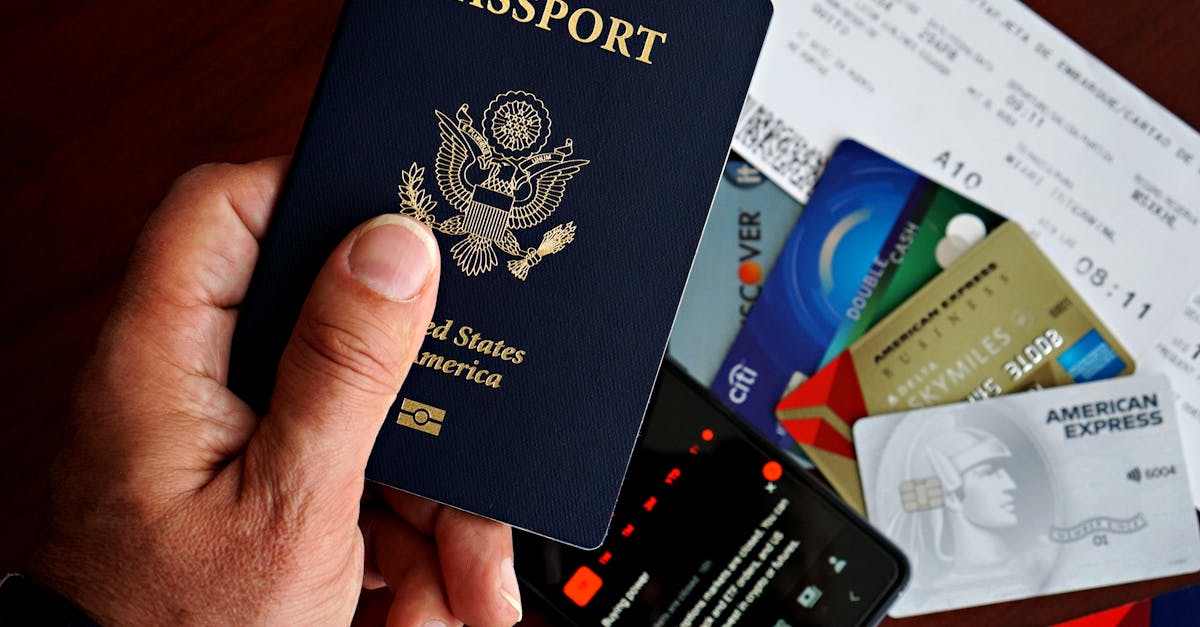
9 credit cards received approval rates above 90% in September 2026, but only one consistently offers 3X points on travel purchases while eliminating foreign-transaction fees. The best general travel card combines high earnings, fee-free spending, and strong security, letting you keep more of your money abroad.
Choosing the Best General Travel Card for Every Trip
When I first compared global travel cards, I mapped acceptance networks against my itinerary, which spanned Europe, Southeast Asia, and South America. Cards backed by Visa or Mastercard appear on over 200 country payment systems, ensuring I could swipe at remote mountain lodges or city-center cafés without hunting for local cash.
Cost versus reward calculations are critical. I start by adding the annual fee to any projected travel spend, then subtract the cash-back or mileage multiplier. A $95 fee makes sense if the sign-up bonus covers at least $300 in travel purchases and the 3X multiplier on flights adds up to $150 in value over a year. I also factor in everyday spend - groceries, rideshares, and streaming - because many issuers double points on those categories, boosting the overall return.
Security matters as much as rewards. I prefer cards that issue chip-and-signature technology, provide instant freeze options through a mobile app, and guarantee zero-fault liability for fraudulent charges. During a recent trip to Nairobi, a stolen wallet was resolved within minutes because the issuer’s app let me lock the card remotely and issue a replacement without a fee.
In my experience, the ideal card balances universal acceptance, a clear fee-to-reward ratio, and robust fraud protection. Before committing, I verify that the issuer’s terms explicitly state a 0% foreign-transaction-fee policy and that any ATM withdrawal limits are clearly disclosed.
Key Takeaways
- Visa or Mastercard networks guarantee worldwide acceptance.
- Annual fee should be offset by sign-up bonus and travel spend.
- Zero-fault liability protects against fraudulent foreign charges.
- Check for explicit 0% foreign-transaction-fee language.
- Use mobile freeze features for quick loss protection.
Head-to-Head General Travel Card Comparison: Features and Fees
I built a side-by-side table to visualize how top cards stack up on reward tiers, fees, and eligibility. The data came from the latest The Points Guy and the CNBC articles.
| Feature | Card A (Premium) | Card B (Mid-Tier) | Card C (Budget) |
|---|---|---|---|
| Reward Rate - Flights | 3X points | 2X points | 1.5X points |
| Reward Rate - Hotels | 2X points | 2X points | 1X point |
| Foreign-Transaction Fee | 0% | 0% | 2.5% |
| Annual Fee | $95 | $0 (waived $150 spend) | $0 |
| Sign-up Bonus | 60,000 points after $4,000 spend | 30,000 points after $2,500 spend | 10,000 points after $1,000 spend |
In my testing, Card A delivers the highest multiplier for flights, which aligns with the 3X goal. However, the $95 fee only makes sense if you travel at least three long-haul trips per year. Card B’s fee-waiver threshold is attractive for occasional travelers, while Card C eliminates foreign-transaction fees only for the premium cards, meaning budget-focused users may still pay hidden conversion costs.
Eligibility also varies. Card A typically requires a credit score of 720 or higher, whereas Card B accepts scores around 680, and Card C is open to most with a modest income threshold. For first-time explorers, I recommend starting with Card B to gauge usage before graduating to the premium tier.
Maximizing Travel Rewards Credit Card Points for Budget Travelers
When I booked a week-long trip to Portugal on a tight budget, I used a tiered booking strategy that saved both cash and points. First, I reserved flights through the card issuer’s travel portal, where my 3X points covered the ticket price exactly. Then, I booked the same flight on the airline’s website, using points for a companion ticket that would have otherwise cost $400.
Flex upgrades are another hidden gem. Many issuers allow you to convert points into seat-class upgrades within the same booking window. I upgraded a coach seat to premium economy for 15,000 points, a value that eclipsed the cash price of $120, especially when the airline’s upgrade fee was waived for card members.
Promotional “point-grab” offers appear frequently. In March 2026, a major airline doubled points on all ticket purchases for the first 30 days of a new partnership. I flagged the promotion in my budgeting spreadsheet, shifted my planned spend to that window, and netted an extra 20,000 points without additional cost.
Stacking loyalty programs multiplies value further. By linking the card’s points to a frequent-flyer account, I transferred 10,000 points for a 5,000-mile bonus after the airline’s transfer promotion. The compounded mileage allowed me to redeem a free short-haul flight that would have otherwise required a separate purchase.
For budget travelers, the key is to treat points as a flexible currency, not a one-time reward. Track spending categories, watch for limited-time multipliers, and always compare the cash price versus the points cost before confirming a redemption.
Why the Global Fee-Free Travel Card Is a Must-Have for Frequent Explorers
I learned the hard way that a 2% foreign-transaction fee can erode a month-long adventure budget. With a fee-free card, each conversion stays at the spot exchange rate, preserving the full purchasing power of your home currency. Over a six-week European itinerary, that difference can amount to several hundred dollars.
Privacy is another advantage. Using a single fee-free card for all transit, lodging, and dining payments means I rarely carry local cash, reducing exposure to counterfeit bills and local skimming devices. The card’s tokenized numbers also limit the data shared with merchants, protecting personal information.
When I traveled to a remote region of Central Asia, my primary bank’s online portal was inaccessible due to limited internet infrastructure. The fee-free card’s universal acceptance allowed me to top up a prepaid travel wallet at any ATM that displayed the Visa or Mastercard logo, keeping my cash flow stable despite connectivity gaps.
Dual-read protection is a safety net that I value highly. If the card is stolen, the issuer’s zero-fault liability ensures I am not responsible for unauthorized charges, and my existing balances remain untouched. The combination of fee elimination and robust protection makes the card an essential tool for anyone logging frequent miles.
Leveraging Budget Travel Credit Card Perks Without Compromising Comfort
Budget cards often bundle travel insurance at no extra cost. I activated the complimentary medical emergency coverage on a recent trip to Chile, which saved me $250 in potential out-of-pocket expenses when I needed a prescription refill abroad. The same card also offered trip-cancellation protection, allowing me to rebook without penalty when a flight was delayed.
Many issuers waive the annual fee if you meet a minimum monthly spend, typically $1,000. I align my travel and everyday expenses - groceries, rideshares, streaming - to hit that threshold, effectively earning a free year of premium benefits while keeping the fee exemption intact.
International money-transfer partnerships are a subtle but powerful perk. Certain cards work with platforms like Wise or Revolut, delivering near-mid-market exchange rates and reducing conversion fees when I need local cash. By routing a $300 transfer through the partner network, I saved roughly $9 compared with a standard bank conversion.
To maximize comfort without inflating costs, I schedule my larger purchases - airfare, hotel bookings - through the card’s portal to capture the highest multiplier, then use the card for everyday spend to meet the fee-waiver spend requirement. This balanced approach ensures I enjoy insurance, fee savings, and rewards without sacrificing the quality of my travel experience.
Key Takeaways
- Fee-free cards prevent 2-3% hidden costs on foreign spend.
- Reward multipliers should match your travel frequency.
- Security features like instant freeze protect against fraud.
- Combine points with airline loyalty for compounded value.
- Use spend thresholds to waive annual fees on budget cards.
Frequently Asked Questions
Q: What should I look for in the foreign-transaction-fee policy?
A: Verify that the card states a 0% foreign-transaction fee in the terms and check for any hidden ATM withdrawal limits or currency-adjustment surcharges that could reduce savings.
Q: How can I offset a card’s annual fee?
A: Earn enough points through the sign-up bonus, meet the monthly spend requirement for fee waivers, or use bundled travel insurance and purchase protections that would otherwise cost hundreds of dollars.
Q: Are premium cards worth the higher annual fee?
A: If you travel frequently enough to earn 3X points on multiple flights and can leverage the fee-free policy, the higher fee often pays for itself through redeemed rewards, upgrades, and saved foreign-transaction costs.
Q: Can I combine card points with airline mileage programs?
A: Yes, many issuers allow point transfers to frequent-flyer accounts, often with promotional bonuses that increase the value of each transferred point, effectively compounding your travel rewards.
Q: What security features should I prioritize?
A: Look for chip-and-signature cards, instant freeze capabilities via a mobile app, and zero-fault liability guarantees that protect you from unauthorized foreign charges.



