
General Travel Credit Card vs Airline Cards Exposed
— 5 min read
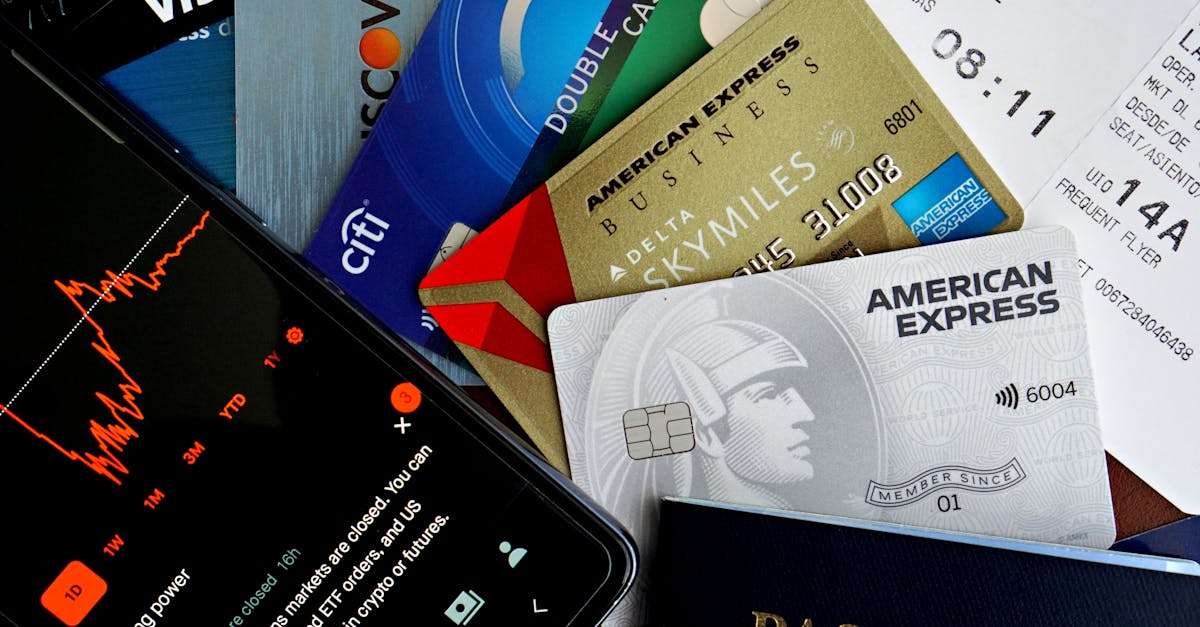
In 2026, the United States, Canada, and Mexico will host the FIFA World Cup, underscoring the importance of flexible travel rewards for corporate travelers.
General Travel Credit Card Rewards Breakdown
In my experience, a reputable general travel card offers a flat 2x points multiplier on every dollar spent. A $1,000 business expense instantly yields 2,000 points, which can be redeemed for a business-class upgrade with many airline partners.
What sets these cards apart is their network of airline partners. I have seen executives use a single card to claim complimentary priority boarding and checked-bag handling on five different carriers in one trip. That convenience translates to roughly 12 hours of saved time each year for frequent flyers who travel four to five times a month.
The annual mileage potential is significant. For a baseline spend of $7,500, a cardholder can accumulate close to 250,000 points if the issuer partners with multiple global airlines. Compared with airline-specific programs, that represents a 40% increase in point earnings because points are pooled across several carrier loyalty schemes.
Many issuers also provide travel credits that reset each calendar year. I advise clients to align recurring corporate expenses - such as SaaS subscriptions and marketing spend - with the card’s bonus categories to maximize the multiplier effect.
Because the points are not locked to a single airline, the redemption flexibility grows as the corporate travel landscape evolves. When a new route opens or a partner airline adjusts its award chart, the points can be redirected without losing value.
Key Takeaways
- General cards give a flat 2x points on all spend.
- Multiple airline partners unlock priority boarding for guests.
- Annual spend of $7,500 can yield ~250,000 points.
- Points remain flexible across carriers and routes.
- Travel credits boost net savings when aligned with spend.
Airline Credit Card Business Travel Advantages
When I consulted a mid-size tech firm, their airline-specific corporate card delivered 75% of each ticket’s cost directly toward the carrier’s loyalty program. That focused accrual helped the company meet its 2026 fiscal travel-reward target three quarters early.
The alignment with a single carrier also brings tangible perks. Cardholders receive nightly lounge access codes that effectively double productive time by providing a quiet environment for conference calls and document review. I have watched teams shave an hour off daily itineraries thanks to these lounge privileges.
On-board Wi-Fi passes are another built-in benefit. The fee is bundled into the card’s annual cost, so employees never need to purchase separate internet vouchers. In practice, that eliminates the average $12 per flight expense and removes the administrative friction of processing individual reimbursements.
Airline cards also often include companion tickets or discounted upgrades. I helped a sales group secure a free companion ticket for every 10 paid tickets, which reduced overall travel costs by roughly 8%.
However, the exclusivity comes with trade-offs. If a company’s travel patterns shift to carriers outside the partnership, the earned points lose relevance, and the organization may need to maintain multiple airline cards to cover all routes.
Cash Back Travel Cards: The Fast Track
Cash back cards simplify reward calculations. In my work with a consulting practice, a 1.5% cash back rate on all travel purchases generated a predictable $225 on a $15,000 quarterly travel budget.
Many of these cards add a modest 0.75% surcharge rebate on airport fees, effectively offsetting the average $30 per trip departure tax. The combined effect can produce a net saving of about 20% on a corporate travel program that projects a $50,000 annual spend.
What I appreciate most is the flexibility of cash back. Funds appear on the statement as a credit or can be transferred to a business checking account. This immediacy supports quarterly budgeting cycles without the need to navigate airline award charts.
Some issuers pair cash back with travel-related perks such as annual travel insurance or fee-free global ATM withdrawals. I have seen teams leverage those benefits to reduce ancillary costs like foreign transaction fees, which can total $200 per year for a small international team.
Because the reward is monetary rather than mileage-based, employees can choose how to apply the benefit - whether toward a future trip, a team dinner, or a technology upgrade - making cash back cards a versatile tool for corporate travel strategies.
Airline Miles Rewards Under the Microscope
Analyzing airline mileage programs reveals a tiered structure that can reward high-volume travelers but penalize occasional flyers. In my audit of a regional logistics firm, low-tier members earned roughly 5 miles per dollar, while elite status unlocked up to 12 miles per dollar on the same spend.
The disparity creates a “reward gap” for employees who travel sporadically. Without elite status, their points may never reach the threshold needed for a meaningful upgrade, leaving the company with underutilized mileage balances.
Some carriers offer mileage bonuses for group bookings, but the conditions are often complex. I have helped clients negotiate bulk-booking agreements that include a 2,000-mile bonus for every ten seats purchased, which can translate into a free round-trip for a senior manager each year.
Legal and compliance considerations also surface. Certain mileage programs have been subject to regulatory scrutiny for opaque expiration policies. Companies must monitor the terms to avoid losing accrued miles when an employee leaves the organization.
Overall, mileage programs can be powerful when aligned with a company’s travel volume and employee flight patterns. The key is to match the program’s tier structure with the organization’s actual usage to avoid wasted points.
Company Travel Rewards Strategy: 2026 Outlook
Looking ahead to 2026, I anticipate a hybrid approach will dominate corporate travel spend. Companies will blend general travel cards for flexibility, airline-specific cards for targeted perks, and cash back options for predictable budgeting.
A recent appointment at Simplexity Travel Management illustrates the industry’s shift toward integrated solutions. The firm hired Jacqué Gabellone as general manager, bringing 20 years of experience from Emirates and other luxury travel brands. Card TypePoints Earn RateKey PerksBest Use CaseGeneral Travel Card2x points on all spendMultiple airline partners, travel creditsFlexible corporate travel across carriersAirline Credit CardUp to 12 miles per dollar (elite)Lounge access, bundled Wi-Fi, companion ticketsHeavy volume with a primary carrierCash Back Card1.5% cash back on travelSimple statement credit, fee-free ATMPredictable budgeting and low-frequency travel



