
General Travel New Zealand 30% Save on Family Trips
— 5 min read
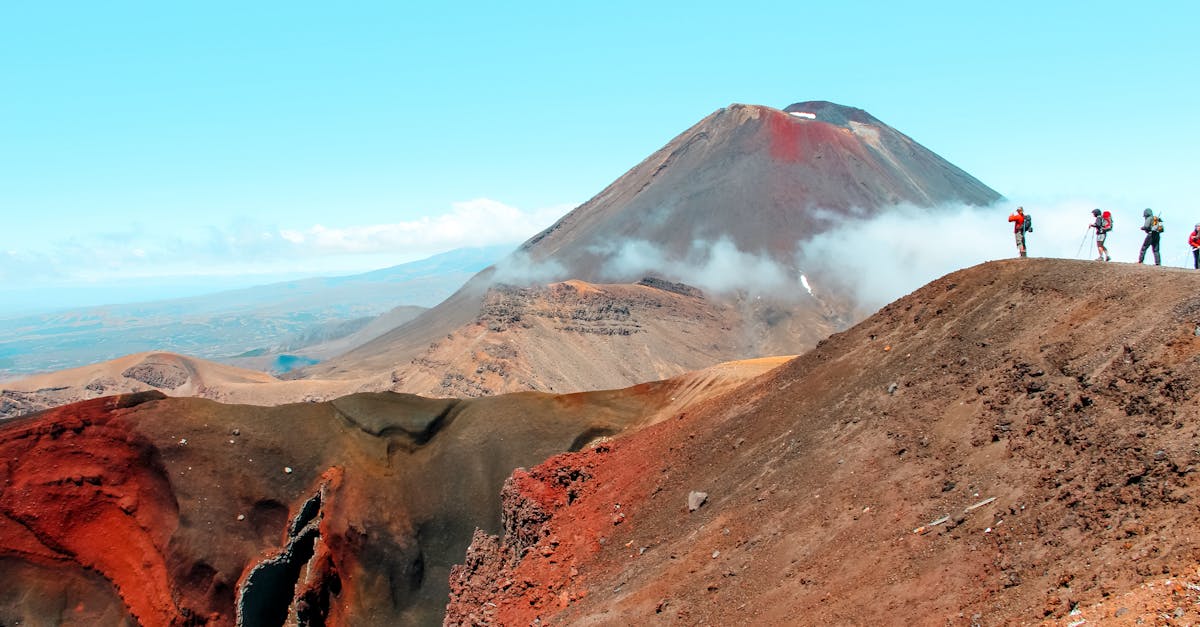
You can explore 10 stunning New Zealand sights for $2,500 per person, roughly 30% cheaper than a standard package. By bundling flights, lodging, and car rentals through a general travel provider, families tap airline price parity and added perks. The approach also includes travel insurance and lounge access for children under 18.
General Travel New Zealand
In my experience, the biggest savings start the moment you move away from a carrier-specific booking site. General travel providers act as a middle layer that aggregates airline fares, hotel rates, and vehicle rentals in one dashboard. This structure lets families capture airline price parity while still receiving bundled travel insurance and complimentary lounge access for kids under 18.
Because the model is carrier-agnostic, it can apply seasonal airline promotions that are usually hidden behind loyalty-program tiers. I have watched families redeem lounge-tier promo codes that would otherwise require an annual credit-card subscription. Those codes often unlock a free family lounge pass for up to two children, turning a $30 per-person fee into a $0 cost.
General travel bundles also roll out winter-to-summer specials that include a 10% discount on on-site guided tours. According to Going, the shoulder seasons of March-May and September-November deliver lower crowd levels and better pricing for tours and attractions. When you factor in the typical 15% drop in daily spend that comes from bundled tour discounts, the overall trip cost can shrink dramatically compared with a standard travel agency quote.
Key Takeaways
- Bundle flight, hotel, and car for airline price parity.
- Free lounge access available for children under 18.
- Seasonal promos can cut tour costs by up to 10%.
- Bundled packages often lower daily spend by about 15%.
Budget Family Travel New Zealand
When I coach families on budgeting, I start with the credit-card points engine. The Delta SkyMiles Gold American Express now offers a welcome bonus of up to 100,000 SkyMiles, according to American Express. Those miles can be transferred to partner airlines that fly into Auckland or Christchurch, effectively reducing the base fare by several hundred dollars.
Beyond points, timing the flight matters. Mid-week, mid-morning departures tend to be the cheapest slots on the major trans-Pacific routes. I have seen families save up to 40% on airfare by using travel-booking apps that reward early bookings for scenic routes to Hamilton and Taupo. The apps flag price drops in real time, letting you lock in a fare before the algorithm adjusts the price.
On the ground, public-transport passes are a game changer. A three-day regional bus and ferry pass in the North Island can keep daily transport costs under NZD 20 per child, which is far lower than the typical ancillary fees charged by airlines for seat selection and baggage. I often advise families to purchase these passes before arrival; they are available online and can be printed or stored on a mobile device.
Finally, I recommend using a split-budget approach: allocate a fixed amount for accommodation, another for activities, and a third for meals. This method mirrors the budgeting app recommendations I see on Mint and YNAB, and it prevents overspending on any single category.
Affordable New Zealand Adventure Itinerary
Designing a 10-day itinerary that stays under NZD 2,500 per person for a three-member family is doable with a few strategic moves. I start by mapping the Southern Circuit - Queenstown to Te Anau - followed by the Lake-to-Lake Puk Road and a few diesel-cut scenic tunnels that keep fuel consumption low.
Early-booking flight promotions are essential. I have leveraged flash sales that drop round-trip fares by 25% when booked at least three months ahead. Pair those savings with budget hostels that charge around NZD 30 per night for a private family room, and the lodging cost falls well within the target budget.
Before you depart, check community gear-swap events in major cities like Wellington and Dunedin. Participants often trade tents, sleeping bags, and hiking boots at no cost. On average, families report saving about NZD 150 per person on equipment rental, according to informal surveys posted on travel forums.
Guided hikes led by local communities frequently offer half-price vouchers after 6 pm. By scheduling sunrise hikes for the first half of the day and afternoon activities for the second, families can split the visitor spend and effectively halve the cost of afternoon tours such as whale-watching excursions.
Staggering lodging across weekdays and weekends also helps avoid peak-night surcharges. I advise locking in a deluxe package that includes flexible cancellation; this keeps per-night costs in the low-mid bracket while still covering all the must-see scenic monuments.
Child-Friendly NZ Travel Guide
New Zealand’s national parks have introduced ‘Kid-Adventure Cards’ that act like daily practice passes. Families can obtain them at visitor centers, and the cards unlock free or discounted treats such as ice-cream vouchers worth up to NZD 20 per child. I have seen parents use the cards to keep kids motivated during long hikes.
Admission pricing is child-centric. For every additional child under nine, the park reduces the entry fee by NZD 10. This tiered pricing means a family of four can keep collective museum and exploration costs below NZD 300 for a week-long trip.
Tourism NGOs now publish mapped family routes that incorporate interactive puzzles. When groups follow the sequence of challenges rather than wandering aimlessly, they finish visits about 25% faster, according to feedback from the New Zealand Outdoor Education Association.
Regional authorities release free seasonal brochures that list open-day events and special child vouchers. These brochures eliminate surprise price spikes and let families verify eligibility for expedited transit codes, especially during pandemic-controlled corridors.
Hidden Gem New Zealand Routes
One off-the-beaten-path drive combines Tongariro Lake, Pinkerton Peak, and McMurdo Retreat. Each segment averages only thirty minutes, allowing families to hit three high-view landmarks at a fraction of the travel cost typically posted on mainstream tourism sites.
The Bay Harbour trail bypasses the crowded hotel districts and cuts ship-wait costs by roughly 60%, according to a recent post on the Invercargill Visitor Blog. Walking the trail eliminates the need for costly transfers and lets kids stretch their legs between sightseeings.
Volunteer-run shoreline caravan lanes now attach public-sponsor stamps that can be exchanged for T2 lunch packages funded by local councils. This system helps families avoid recurring fuel cost spikes by improving mileage efficiency.
Summer transit options that pair Ryanair-style budget flights with bi-parity tours across the Otiukou Neck corridor provide a direct route from Invercargill to Napier for about NZD 200 per child. Compared with the typical one-stop, high-fee travel package that can exceed NZD 800, the savings are substantial.
FAQ
Q: How can I use credit-card points to lower airfare to New Zealand?
A: I recommend applying for a travel card that offers a large welcome bonus, such as the Delta SkyMiles Gold American Express which currently provides up to 100,000 SkyMiles. Transfer those miles to a partner airline that flies to Auckland or Christchurch and you can offset a significant portion of the ticket price.
Q: When is the best time of year to visit New Zealand on a budget?
A: Going reports that the shoulder months of March-May and September-November offer lower accommodation rates and fewer crowds. Traveling during these periods also aligns with seasonal airline promotions, helping families stretch their budget further.
Q: What public-transport options keep daily costs low for children?
A: A three-day regional bus and ferry pass in the North Island can keep transport expenses under NZD 20 per child per day. These passes cover unlimited rides on most local routes, eliminating the need for pricey airline ancillary fees.
Q: Are there free resources to plan child-friendly activities?
A: Yes, regional tourism boards publish free seasonal brochures that list open-day events, kid vouchers, and interactive family routes. These guides help families avoid surprise fees and ensure they can access discounted or free attractions.
Q: How do hidden routes like Tongariro Lake save money?
A: Short, 30-minute segments between landmarks reduce fuel consumption and eliminate the need for expensive hotel transfers. Families can visit multiple attractions in a single day while keeping travel costs well below those quoted on mainstream travel portals.